

Chess, checkers and cards in
OBA Molenwijk
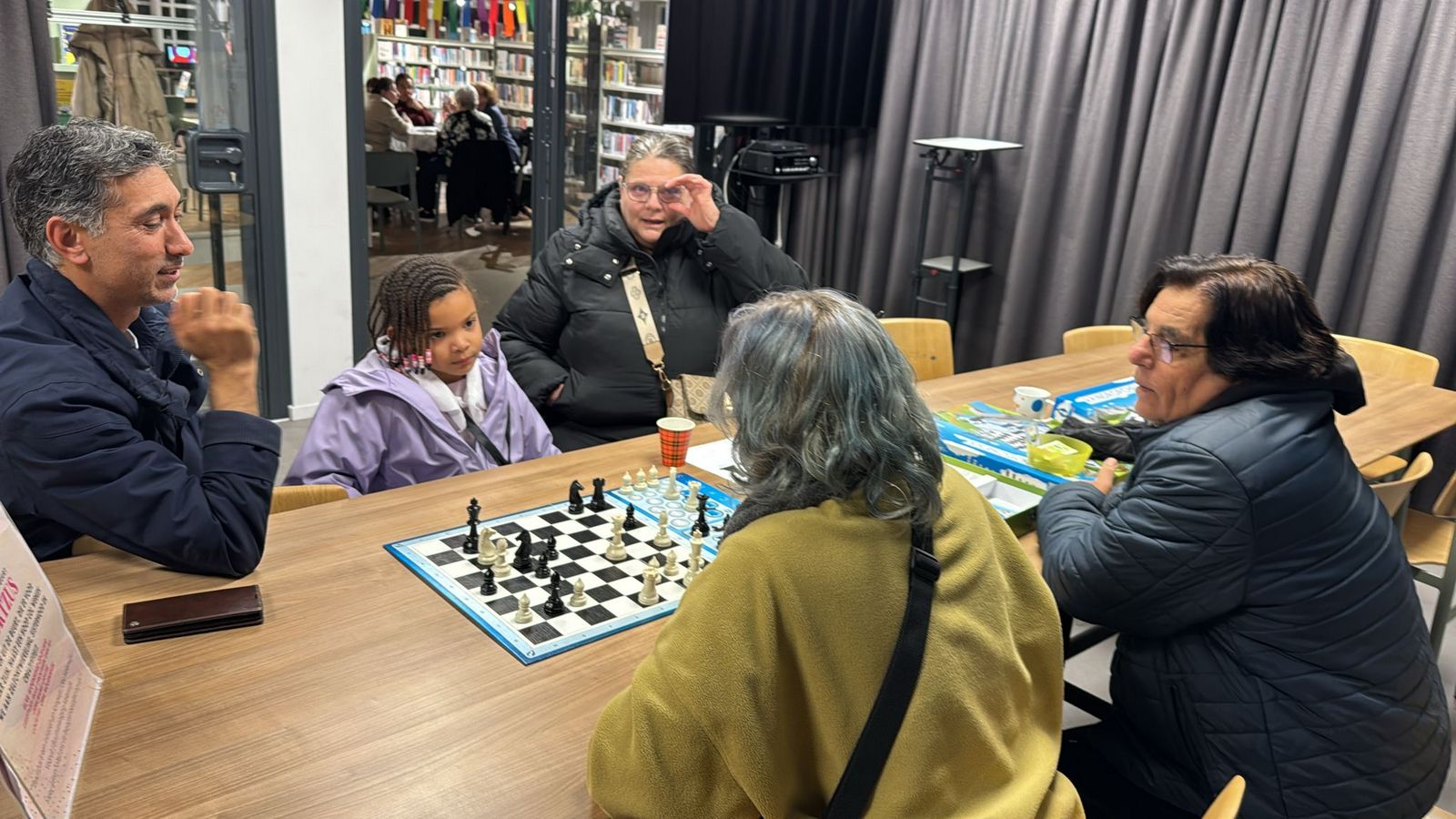
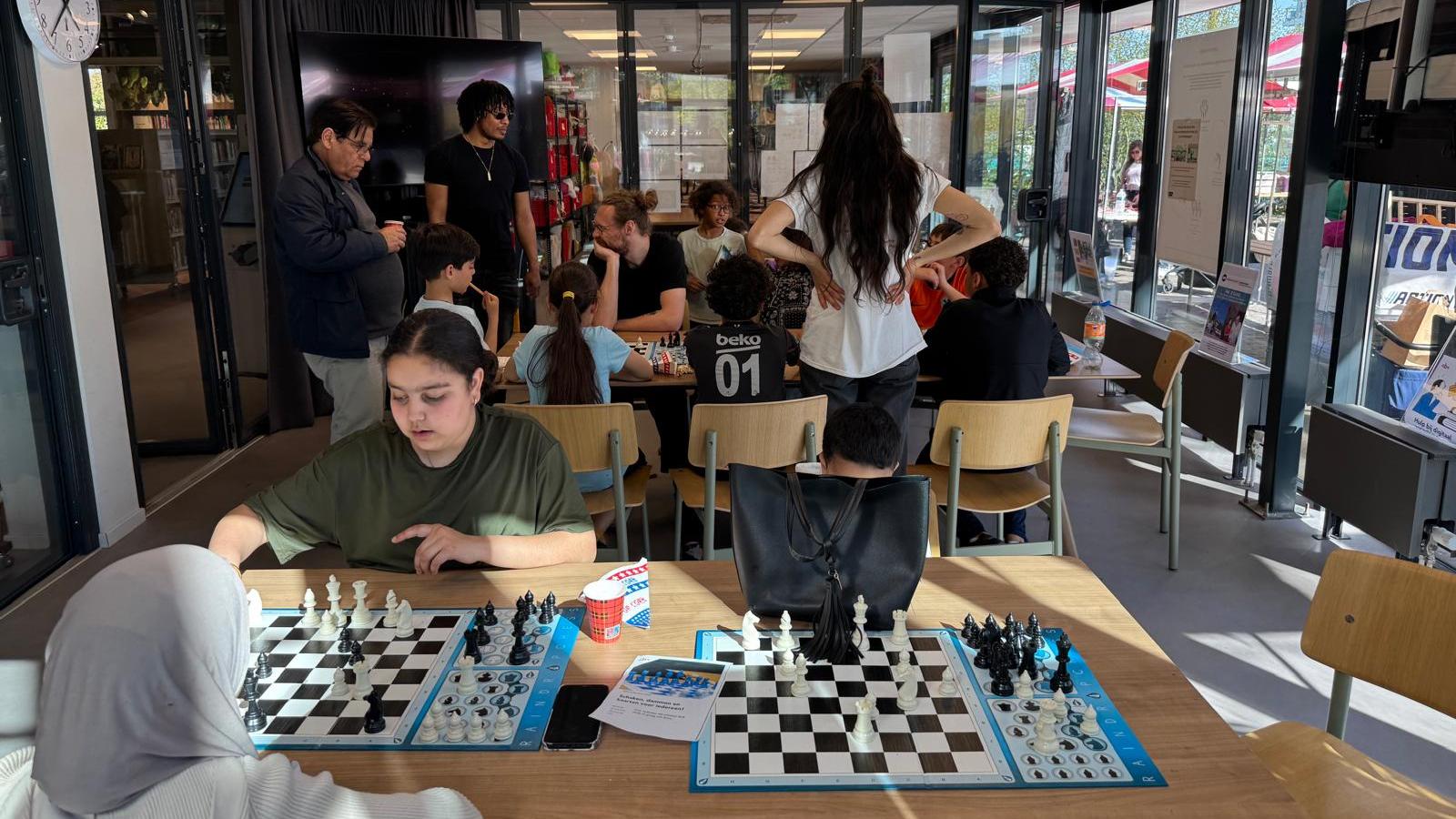
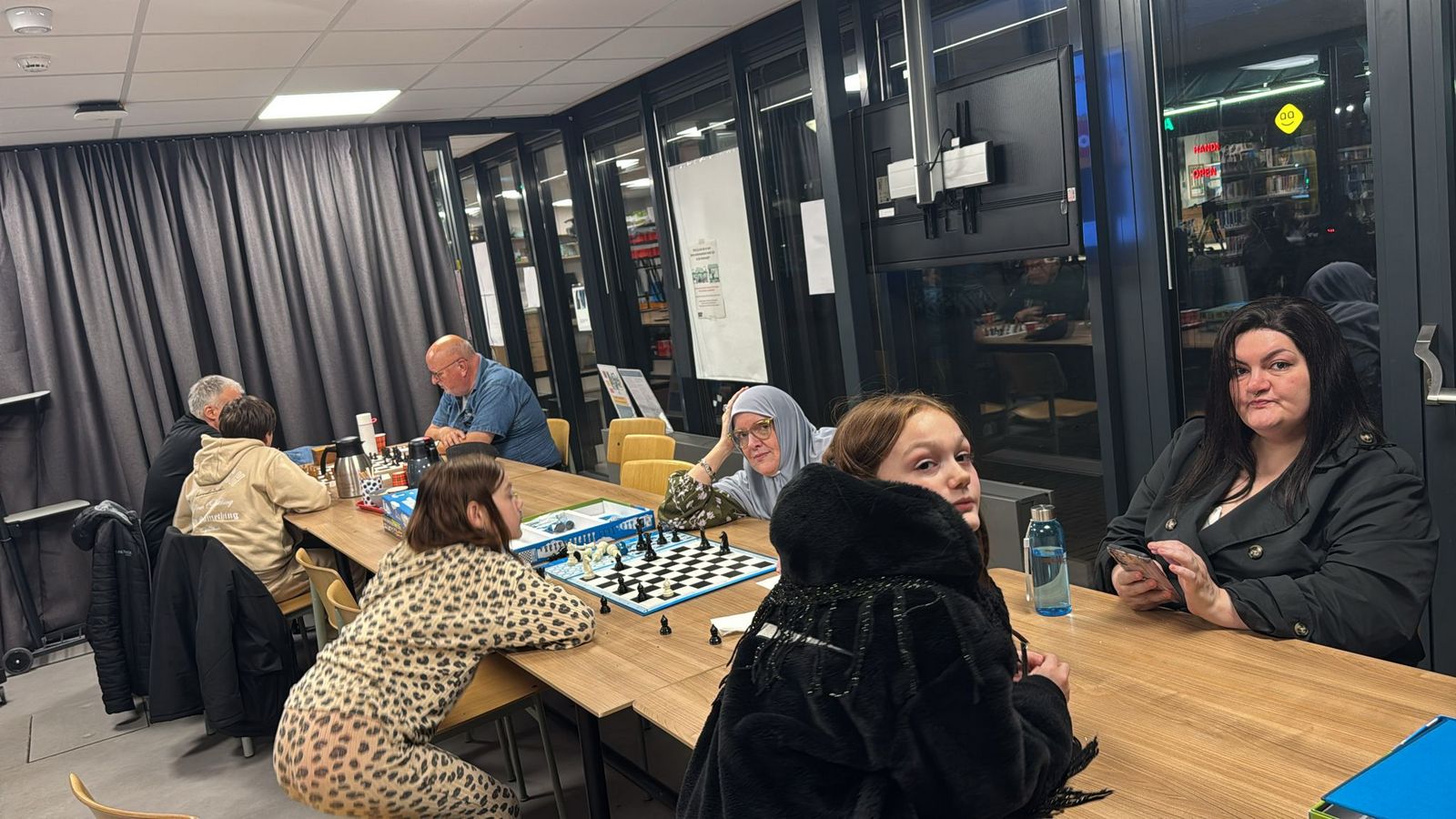
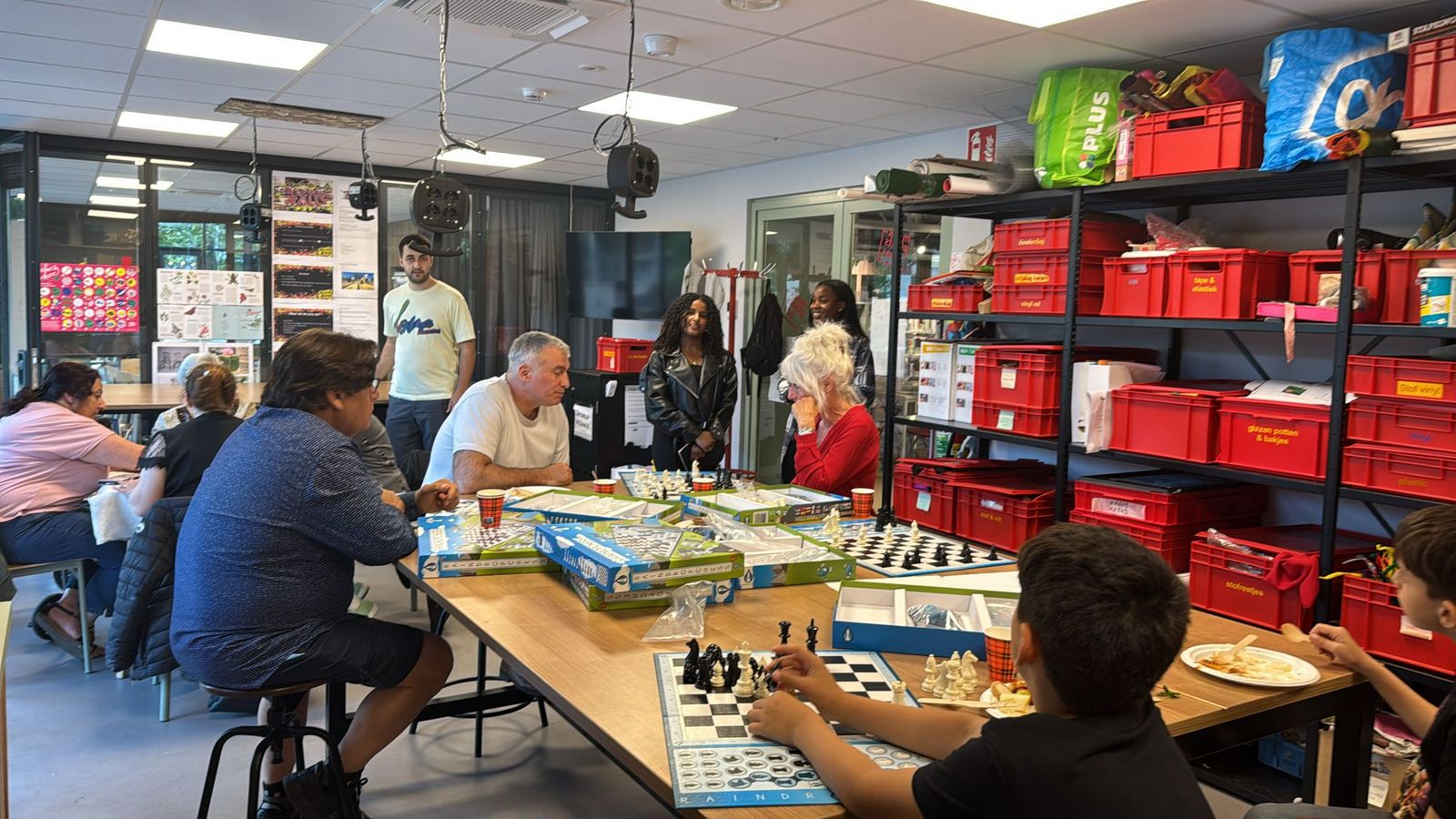
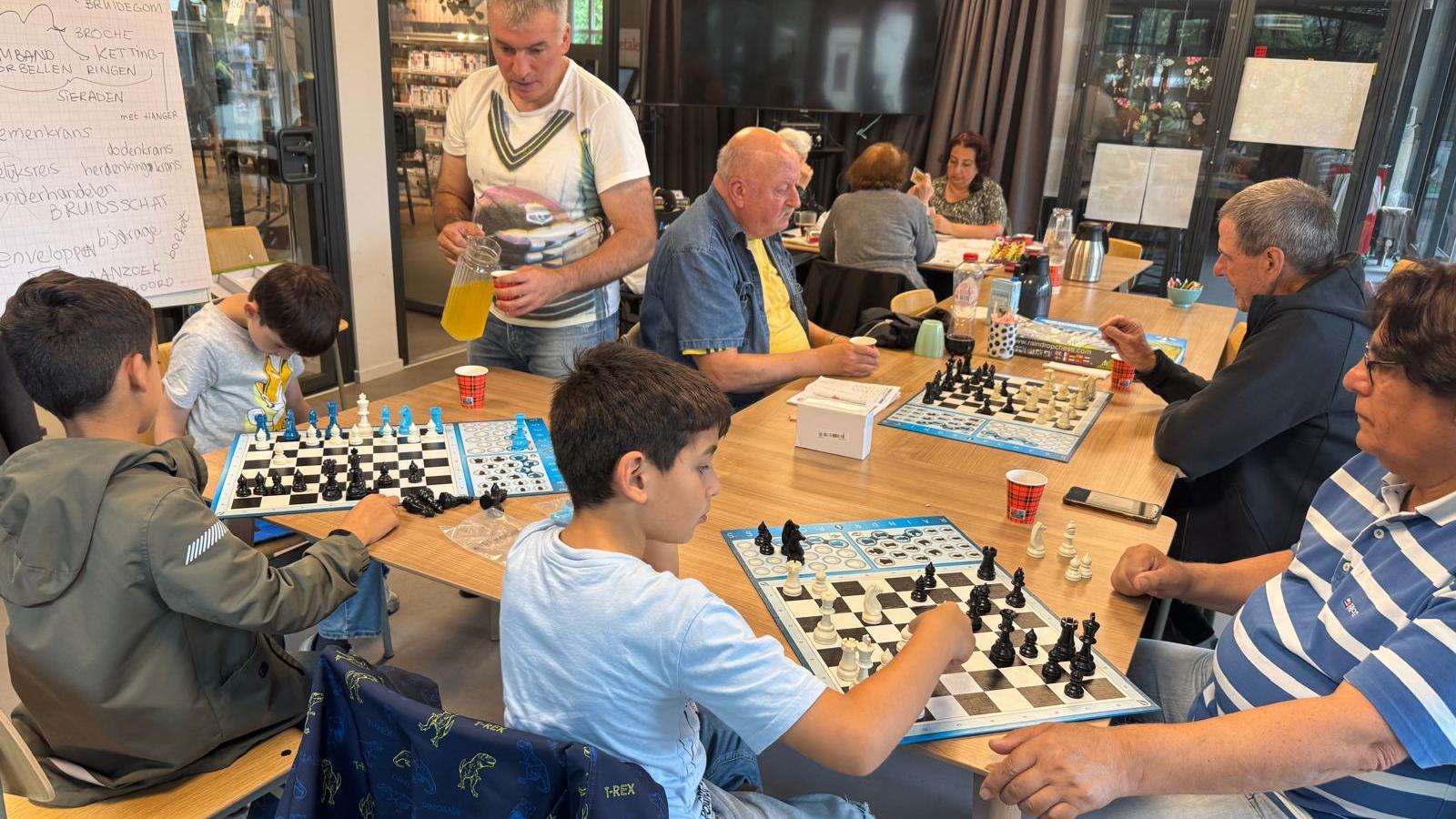
During play days, all residents come together, from young to old.
They talk, play, and laugh together. The goal is to bring the neighborhood together, so that residents respect each other and interact with each other in a friendly manner.
Chess Experiences
People experience chess as an intense, intellectual, and psychological battle, while karting is experienced as a physically challenging and exciting activity full of adrenaline.
Chess is often seen as a metaphor for life and a workout for the mind. People experience it in the following ways:
• Mental Challenge: The game requires deep concentration, strategic thinking, planning, and anticipating the opponent’s intentions.
• Emotional Intensity: Despite being a static board game, chess evokes intense emotions including hope, fear, frustration at mistakes, and euphoria at victory. It can cause significant psychological stress, similar to physical sports.
• Skill Development: Players find that chess improves their logical thinking, problem-solving, patience, and spatial awareness.
• Psychological Warfare: A key aspect is trying to understand and manipulate the opponent’s psychology, which can make it a “psychological thriller.”
• Obsession and Isolation: For some top players, the quest for perfection and the hours of solitary study can lead to obsessive behavior and social isolation.
Experiences with card games
People experience various positive effects from card games, which benefit both their mental health and social interactions. These benefits range from improved cognitive skills to stress reduction and relationship building.
The main positive effects of card games are:
Cognitive Benefits
• Memory Improvement: Players must memorize cards that have been played and plan strategies, which sharpens memory and concentration.
• Thinking Skills Development: Card games often require problem-solving, strategic thinking, logical reasoning, and critical analysis.
• Mental Alertness: Regular play keeps the brain active and engaged, which may help slow age-related cognitive decline and the risk of dementia.
• Faster Reaction Times: The playful and fast-paced environment of some games can improve attentiveness and the speed of reactions.
Social and Emotional Benefits
• Social Interaction: Card games bring people together and promote face-to-face interactions, which is essential for combating loneliness and strengthening social bonds.
• Stress Reduction: Playing a fun game provides a welcome distraction from daily stressors and increases the production of endorphins (the “feel-good chemical”).
• Strengthening Relationships: Games can foster long-lasting friendships and family traditions, and provide an easy way to connect, even during difficult communication periods.
• Improve communication skills: Players learn to interpret verbal and nonverbal cues and cooperate in team-based games, which sharpens their interpersonal skills.
• Boost self-confidence: Friendly competition and achieving victories can increase self-image and self-esteem.
In short, card games offer a fun and effective way to keep the mind sharp, reduce stress, and create valuable social connections.
Molenwijk 21 1035 EG Amsterdam
Thursday from 18:00 to 20:00.